Fishing with spoons in Western North Carolina
This article will cover fishing with spoons in western North Carolina. Spoons are not as popular as they used to be, but are still very effective fishing lures. A spoon is a shaped piece of metal. Most often it has a metallic finish; gold or silver. This results in a lot of flash. Spoons can be painted as well.
There are a lot of spoons on the market, and they all pretty much work the same. Slender spoons have a tight wiggle action. Conversely, wider spoons have a slower wobble. My personal favorite spoons are Acme Kastmaster, Crippled Herring, and Johnson Sprite spoons. Luhr Jensen, Acme, and Eppinger (Daredevil) all make nice spoons.
Fishing with spoons in western North Carolina
Spoons mimic a wounded bait fish. They wobble and vibrate and put out a lot of flash. In nature, a bait fish does not flash as it swims normally. However, a wounded bait fish wobbles and flashes. This triggers the natural instinct in a game fish, understanding that this prey is easier to catch.
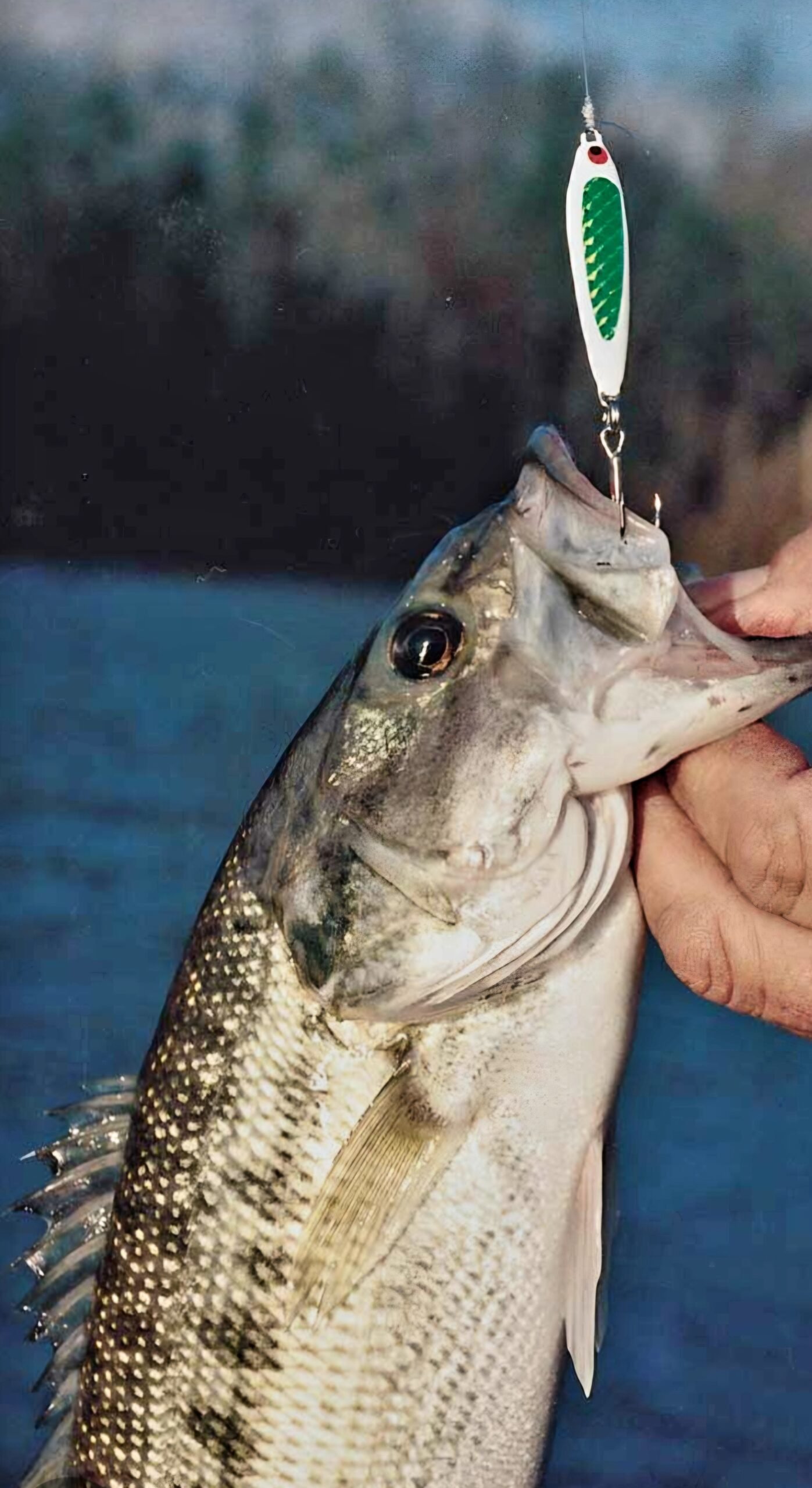
In western North Carolina, anglers have two environments that they fish; streams and lakes. Spoons produce in both, though lures and tactics are different. Whether fishing lakes or streams, anglers need to use a swivel. When using monofilament or flourocarbon, a tiny snap swivel is fine. With braid, a #10 black swivel is tied on, followed by a leader and then the spoon.
Fishing with spoons in North Carolina streams
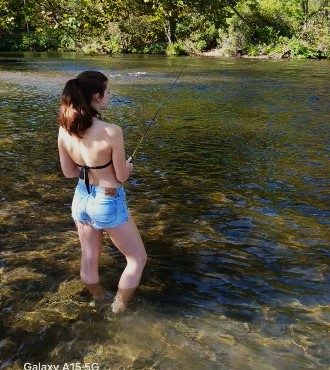
Read this article for more on the best fishing rod and reel
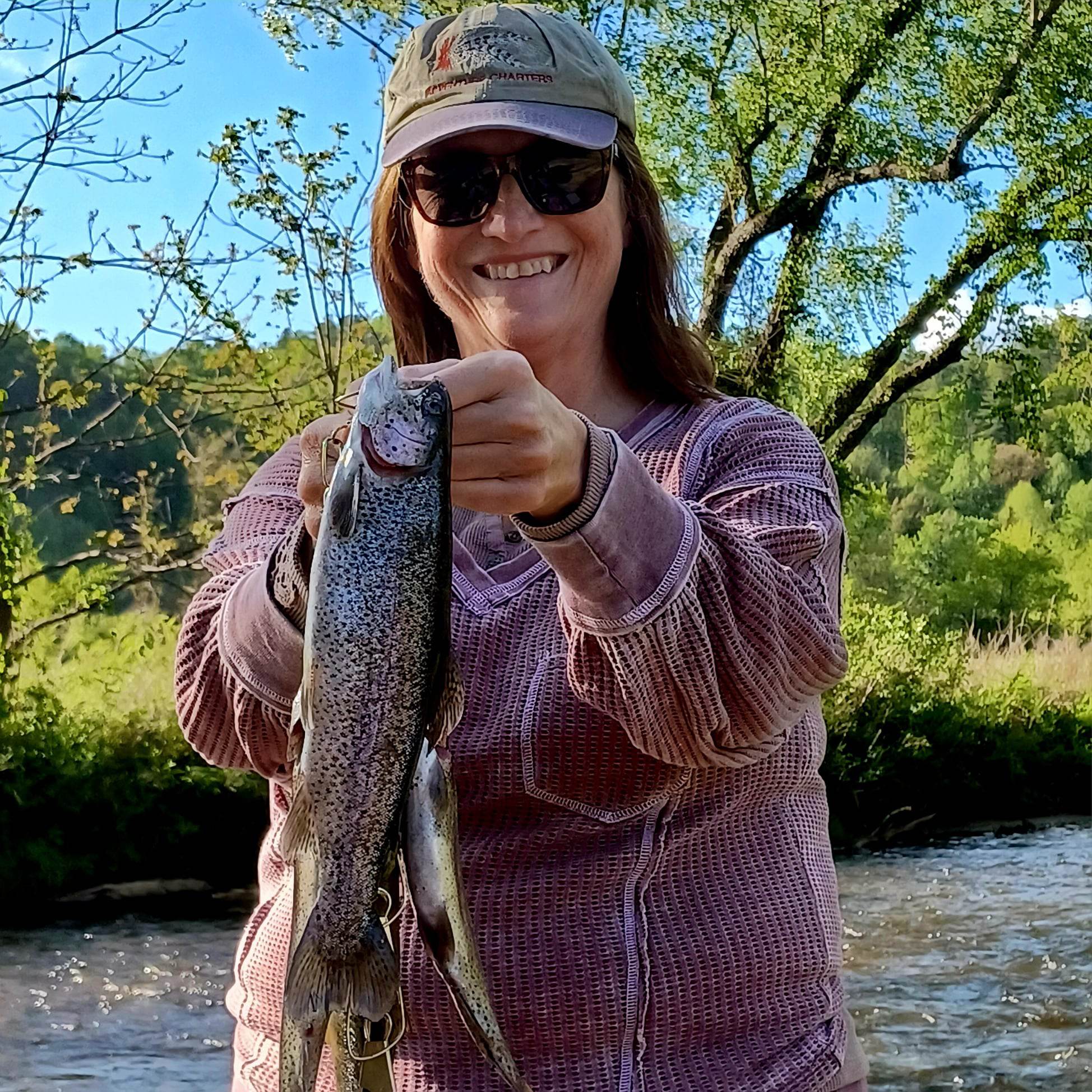
I love fishing with spoons in medium sized creeks and small rivers! They produce trout, bream, bass, and other species. I do not use them in the tiny little trout creeks, they snag too often.
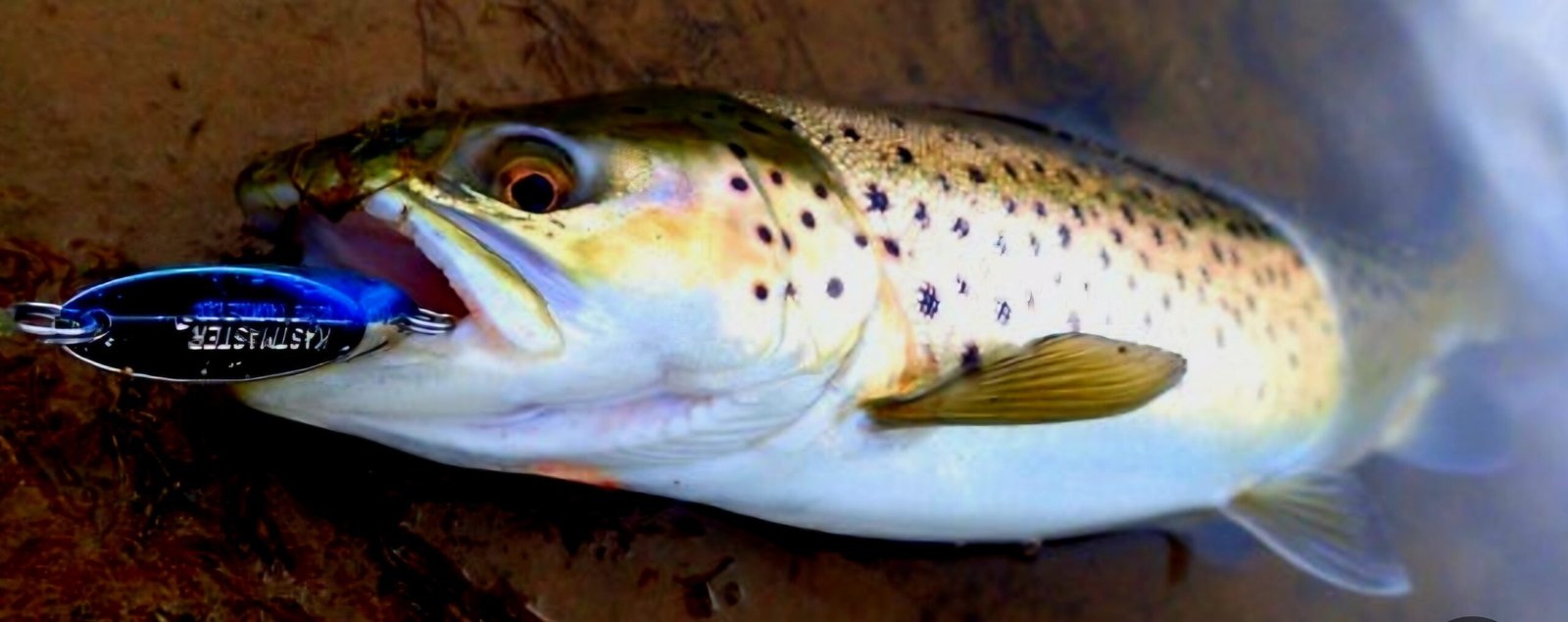
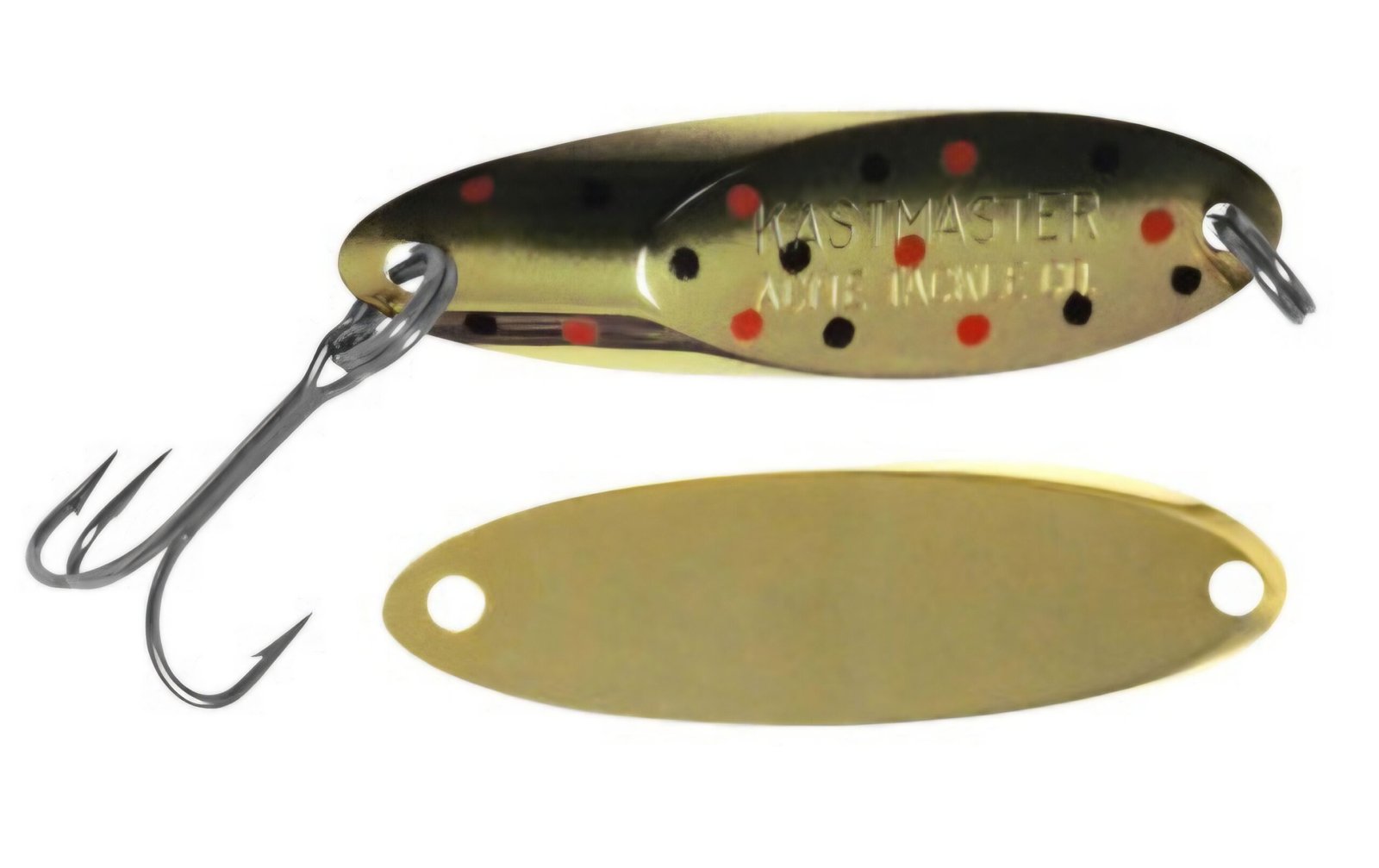
My favorite creek and river spoon is the Acme Kastmaster. It is available in a lot of smaller sizes; 1/32, 1/24, 1/12, 1/8, and some larger sizes. I use 1/12 a lot in the trout streams. It casts well on ultralight tackle and has terrific action. I like gold and sometimes with the prism finish. They sell many colors and varieties.
Spoons work best in larger trout creeks and rivers where there are deeper pools and runs. These lures have some weight and will hang up on the bottom. Therefore, the deeper spots are best and generally that is where the fish are holding. Seams, pockets behind boulders, fallen trees, and rock ledges are all good spots to try.
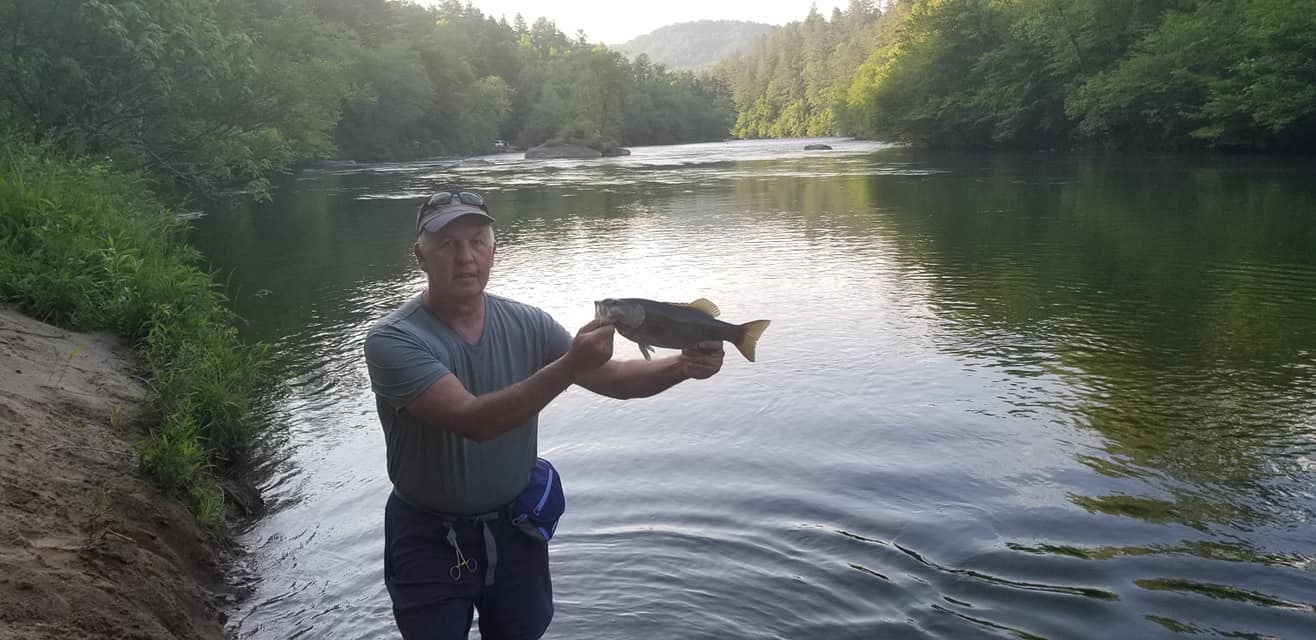
The best approach when presenting the spoon is to cast directly across the current, whether wading or drift fishing in a boat. Allow the spoon to sink a couple seconds, then begin the retrieve. Most often, a steady retrieve with pauses and twitches works well. In decent current, a steady pace can be productive. As with all fishing, it is best to vary the retrieve until a productive pattern emerges.
Fishing with spoons in lakes
Spoons are very effective in lakes. They can be cast and retrieved, vertically jigged, or trolled. Many of the lakes in western North Carolina have blueback herring as prey. Spoons very realistically mimic these forage species.
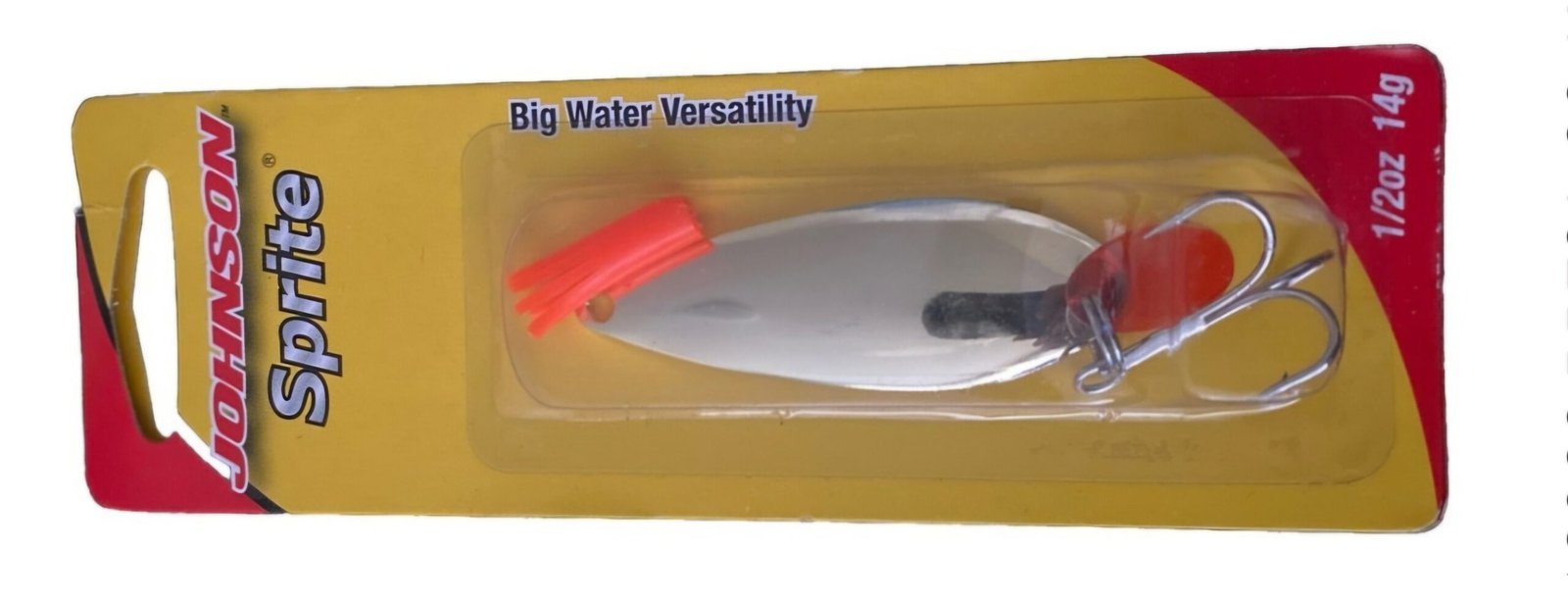 Anglers have many choices when it comes to casting spoons. I like the Johnson Sprite spoon, I had good success with them in my 30+ years of guiding in saltwater. They work well in lakes as well as in pools in rivers. The 1/2 ounce is a good all round size, but they offer a 1/4 ounce and 3/4 ounce version as well. I use both gold and silver.
I really like the Luhr-Jensen Crippled Herring spoon for jigging vertically, it can also be cast and trolled. The 2 1/4 inch 3/4 ounce spoon in silver with a blue back is a dead ringer for a blueback herring. They are dense and cast well and also sink quickly. They work very well for suspended bass and trout.
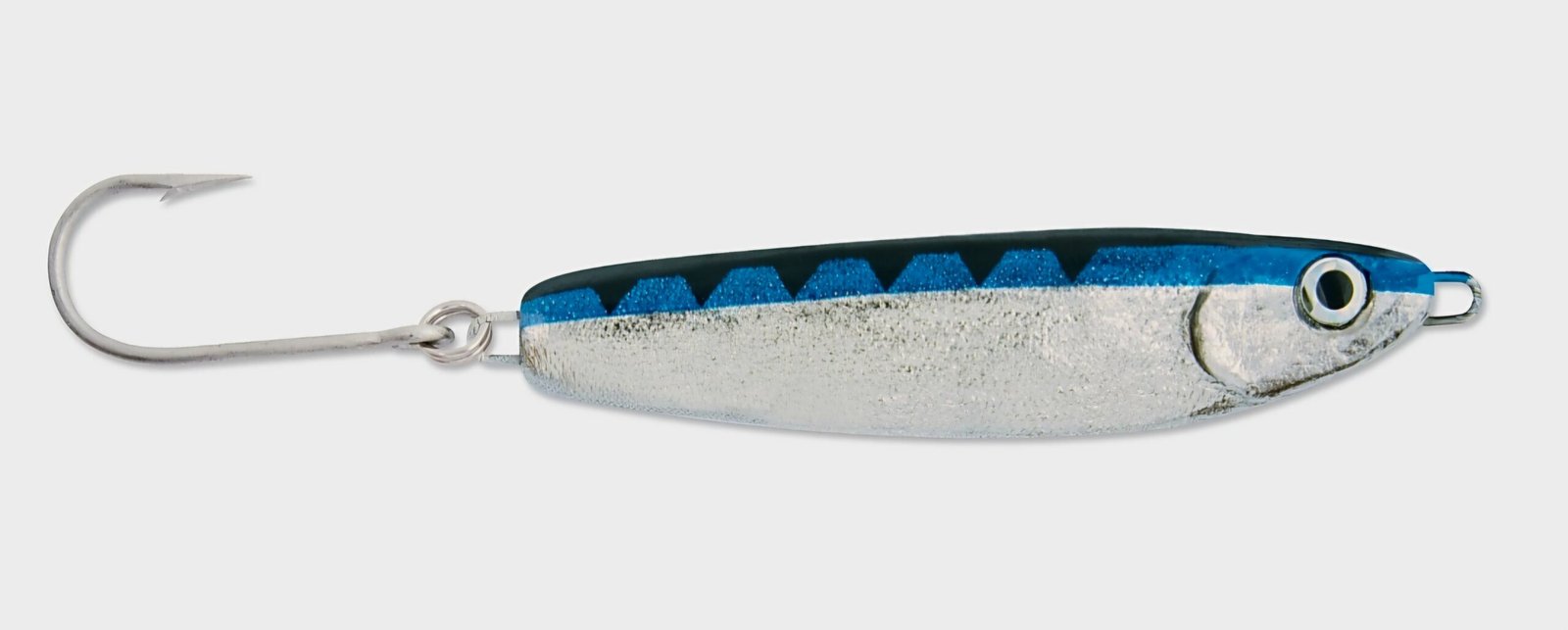
I will cast spoons out in open water when trout fishing in lakes when I think they are around or when I see them on the surface. Rocky points are good spots to find bass. Vertically jigging can be very effective when bass are in deeper water. Fish will relate to ledges and brush piles. A steady retrieve can produce, but I usually add a pause and twitch every few cranks.
Anglers will often see spotted bass and hybrid bass schooling on the surface, chasing bait. Spoons are perfect for this situation! They cast a long distance and can be worked quickly and erratically just under the surface.
Trolling with spoons in lakes
Trolling is a very effective technique. It allows anglers to cover a lot of water and well as different depths. Heavier spoons are excellent choices as they sink down in the water column. I do like to use a longer leader, around 6 feet long, when trolling. A swivel is definitely required.
I like to troll several spoons at different depths and different distances behind the boat. Serious trollers will use downriggers, that is a different subject. Anglers can easily add snap on trolling weight to get the lure deeper. Then, it is just a matter of idling around at 1.8 to 2.4 MPH until fish are located.
In conclusion, this article on fishing with spoons in western North Carolina will help anglers use these effective lures to catch more fish!