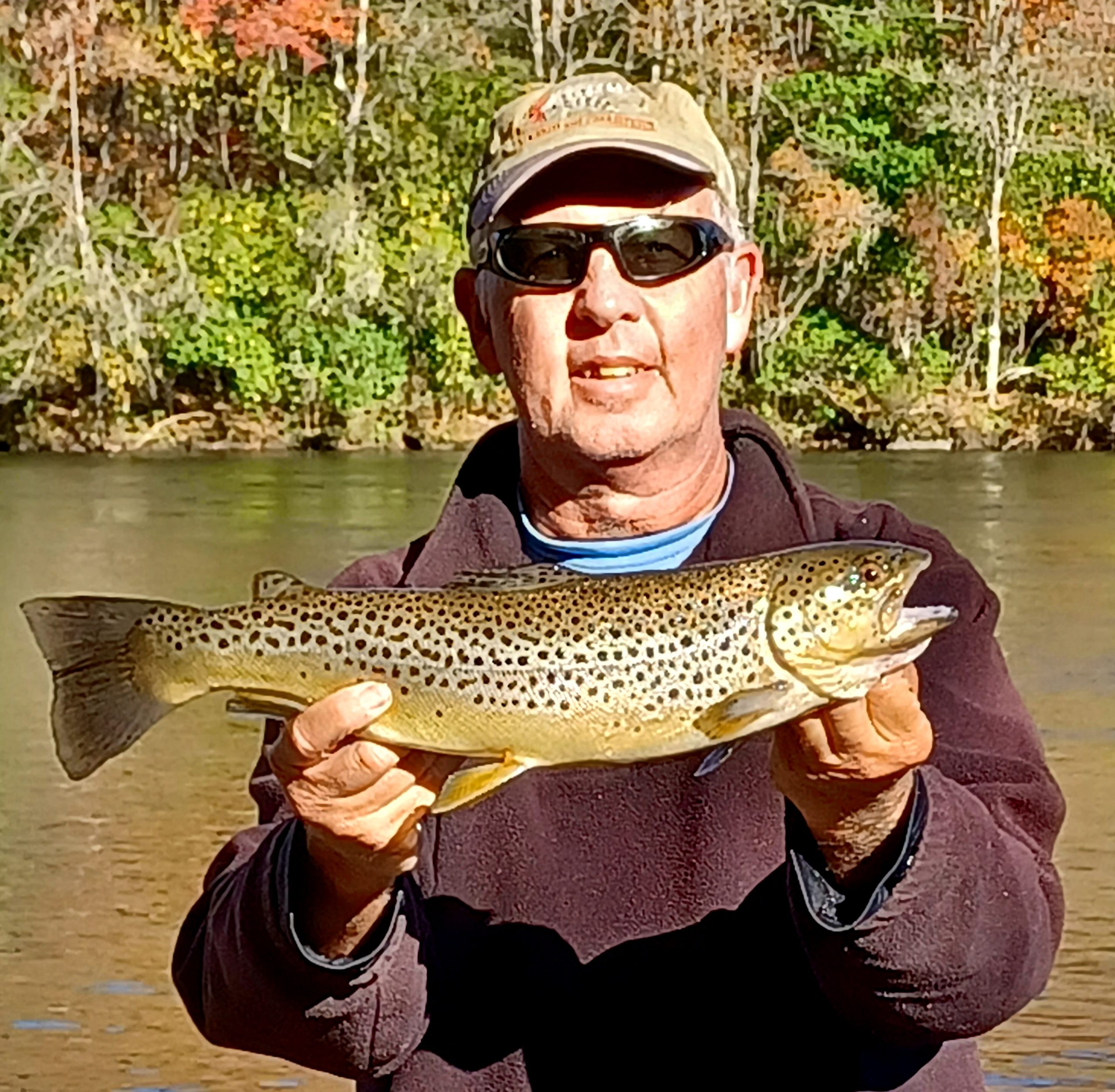
Top 2 lures for trout fishing in western North Carolina
This post will discuss my top two lures for trout fishing in western North Carolina. Many anglers enjoy fly fishing for trout, myself included. However, there are times when fishing with spinning tackle is a better choice or just a personal preference. I personally do not do well in very tight quarters. I am a retired Florida guide and am used to have plenty of room for backcasts. Therefore, I often enjoy using spinning tackle for trout as well.
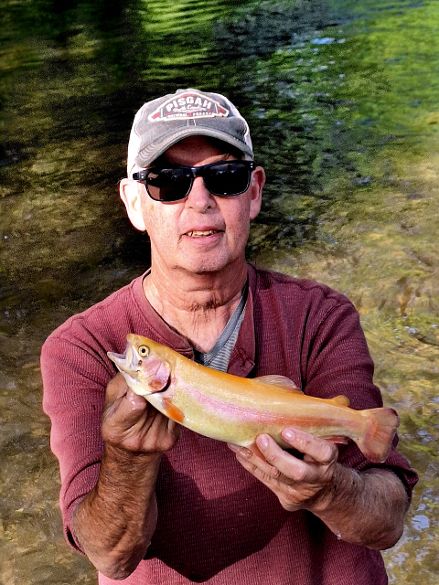
Read more about guided fishing in North Carolina
Call Capt Jim at (941) 371-1390 or e-mail captjimklopfer@gmail.com
The best 2 lures for trout fishing in western North Carolina are the Worden’s Original Rooster Tail spinner and the Trout Magnet. Both of these lures catch all species of trout in every type of water. Both are very easy to use with no special techniques needed. Also, both are available in single hook lures, which means anglers can use them in the Delayed Harvest sections of the North Carolina waters. This also makes it easier to release trout unharmed.
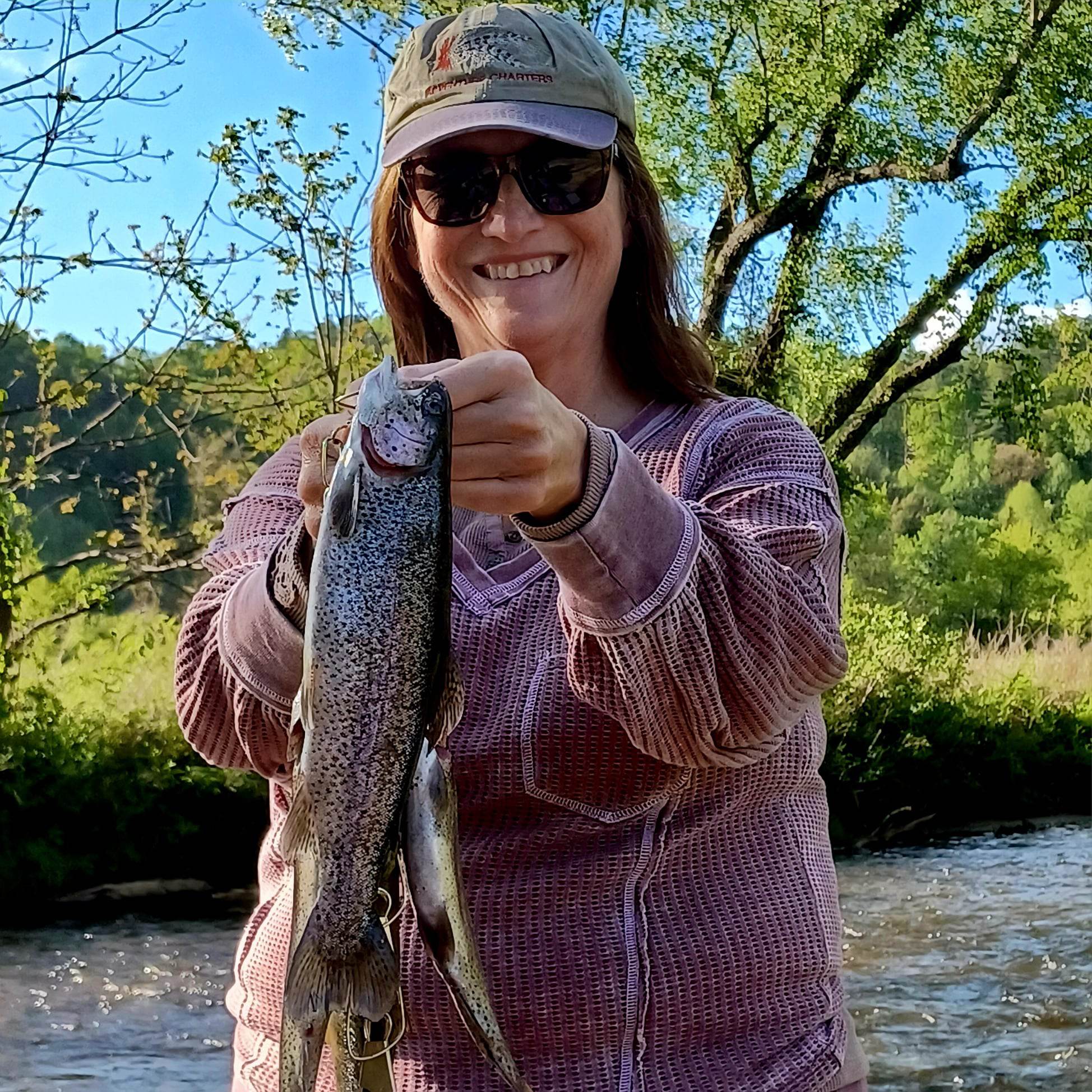
Top 2 lures for trout fishing in North Carolina
I will thoroughly discuss my top 2 trout fishing lures in this section, along with the best tackle to use with them.
Best trout fishing rod and reel

The best rod and reel for trout fishing in western North Carolina is a 5′ to 6′ ultra light rod with a 75 or 1000 series reel. Lew’s offers nice combos for under $100. The reel is spooled with 4 pound test flourocarbon line. I prefer the shorter rod, especially when fishing creeks. I can still cast plenty far with this rig.
Worden’s Original Rooster Tail spinner
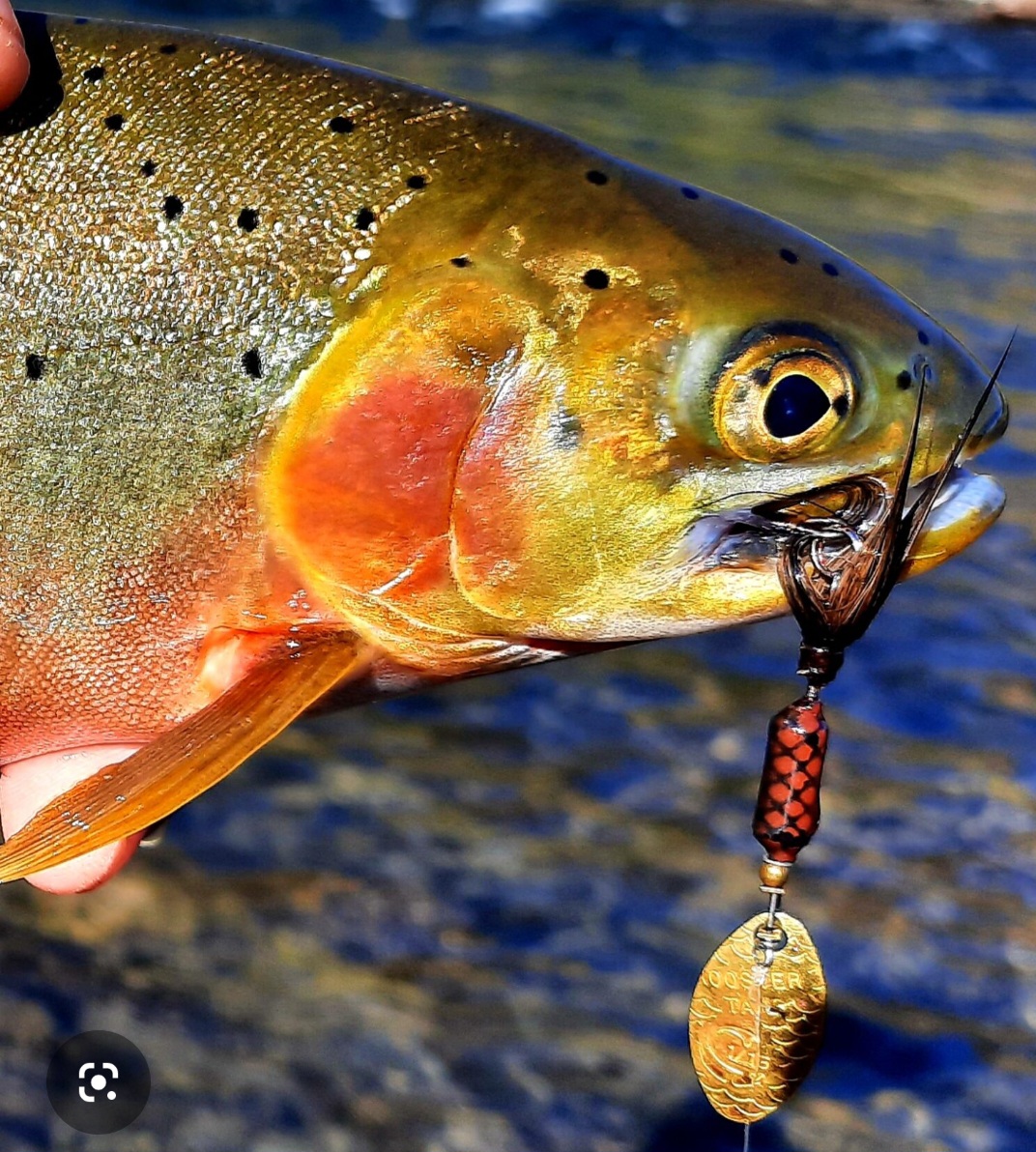
This is my favorite trout fishing lure. It is inexpensive, easy to use, and catches tons of trout! It comes in single hook versions for fishing the Delayed Harvest waters. I will use the lures with treble hooks if I am looking to keep a few fish. I use the 1/16 ounce size but will bump up to 1/8 in larger rivers or when targeting larger trout.
My favorite color combinations are black with a gold blade, white with a silver blade, and rainbow trout with a gold blade. Don’t lump all spinners together; they have different attributes. The Rooster Tail spinner is very light and will not hang up as much as heavier spinners. The blade also rotates and flashes on a very slow retrieve.
The Rooster Tail spinner is very easy to use. The lure is cast out, allowed to sink a second or two, then retrieved in slowly. Strikes are very easy to detect. In most cases, casting across the current will keep the line tight and is the most effective presentation. Many times the strikes occur as the lure reaches it’s apex and swings in the current. Anglers fishing in ponds and lakes can cast or even troll the lure.
In most instances, the best presentation is to cast to spinner across the stream, allow it to sink a tad, then use a slow, steady retrieve back in. Often times the strike occurs at the end on the drift as the line tightens. This is not unlike “swinging a nymph” when fly fishing. The lure picks up speed and this can trigger a bite. Anglers can cast upstream in deeper pools where current is slower, but a faster retrieve is needed to keep up with the slack.
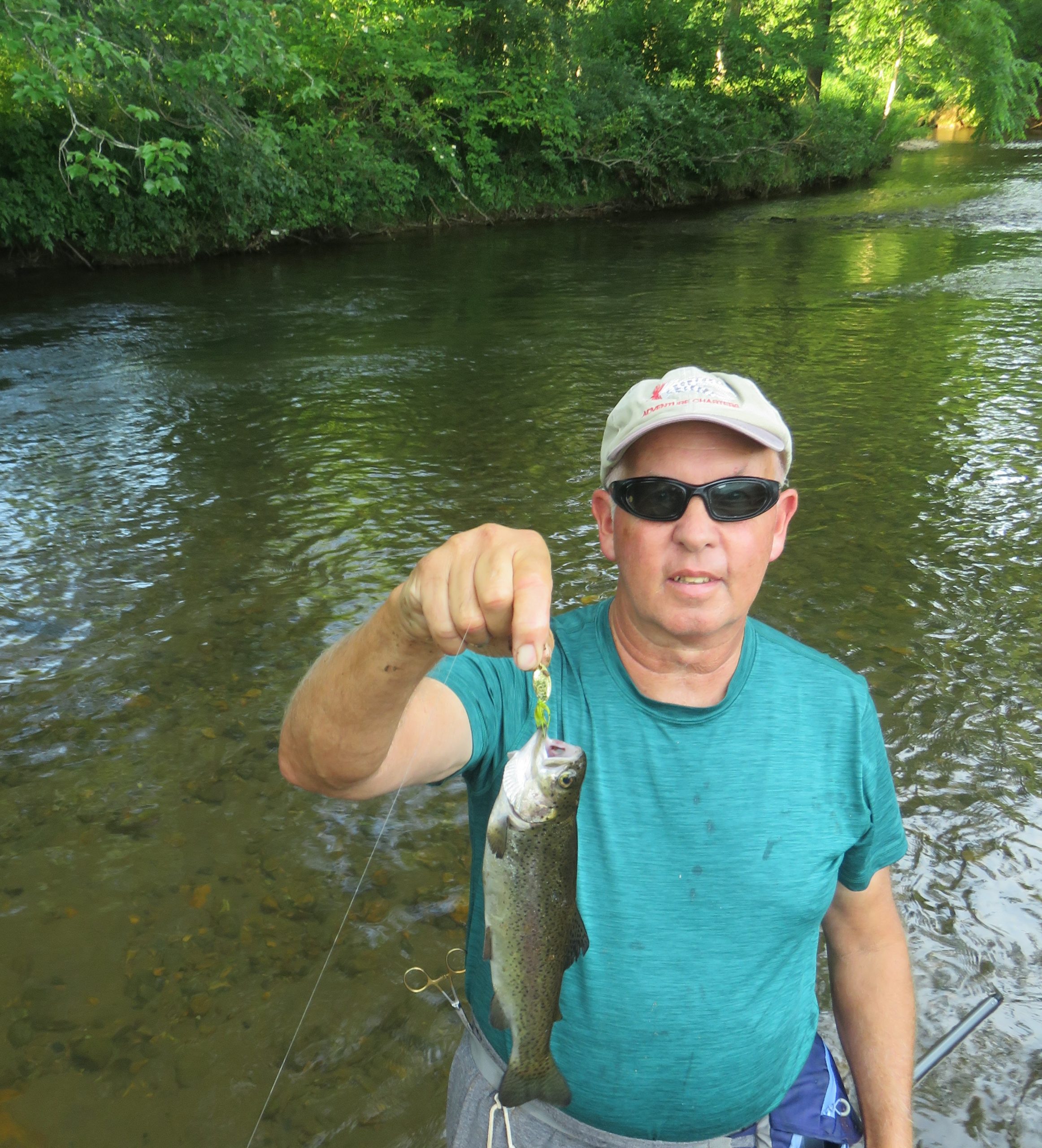
Rooster tail spinners are very versatile. Anglers can cast it across shallow riffles and work it back in with low fear of hanging up. The Rooster Tail is surprisingly snag free, though anglers will certainly hang up on occasion. In deeper pools, let it sink longer and use a slow retrieve.
Trout Magnet
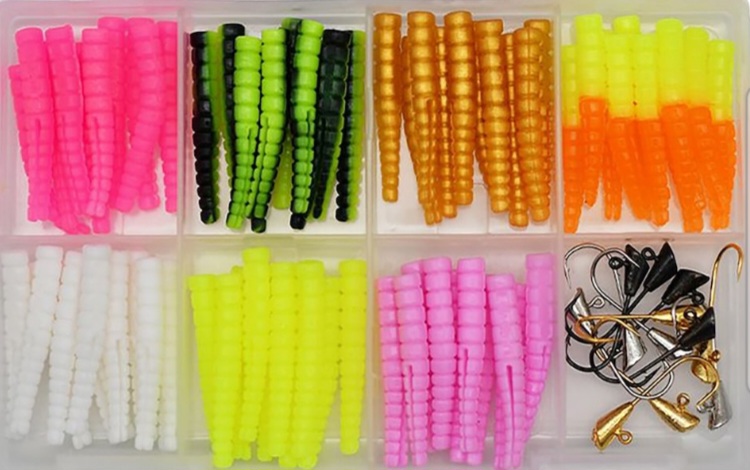
The Trout Magnet is the other lure that I use when trout fishing in western North Carolina. It really is a tiny, ultralight jig with a soft plastic body. I like the gold jig heads in the 1/32 ounce size. Pink and chartreuse are my favorite colors. The lure can be free lined but is most often fished under a small float.it also comes as a spinner.
In reality, this is much the spinning angler’s version of fishing a nymph under a strike indicator. The lure is tied on to the line. The float is added a few feet above the lure. The idea is to suspend the lure so that it just ticks the bottom as it drifts along. Use a lighter jig in shallow water with light current. Conversely, a heavier jig works better in deeper, swifter water.
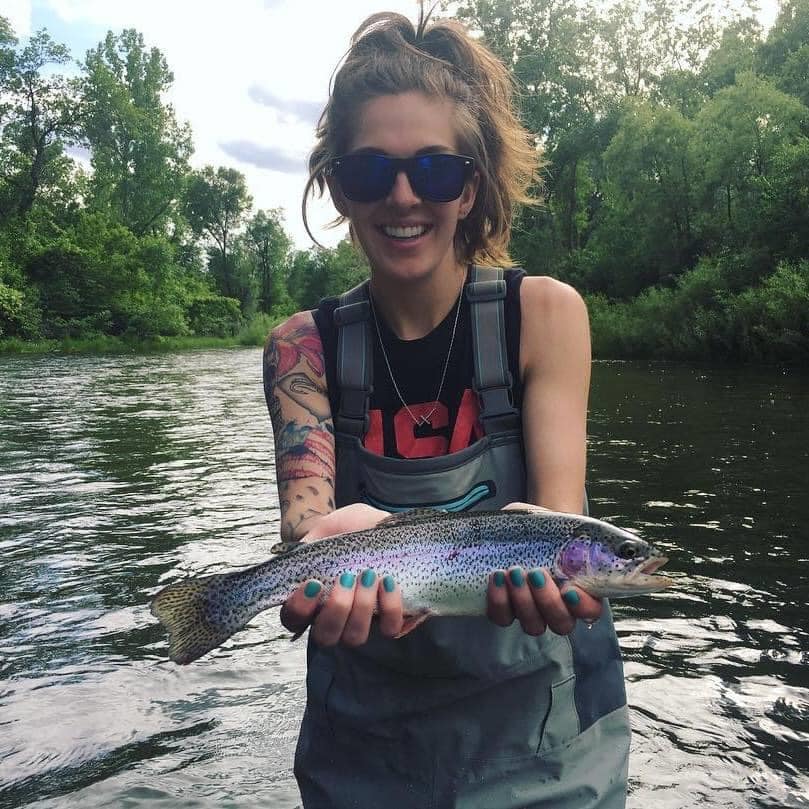
The Trout Magnet is very easy to use and is a great option for novice anglers. Anyone can use it to catch a trout. If the bite is tough, and where legal, anglers can pinch off a 1″ piece of nightcrawler and add it to the hook. More experienced anglers can choose to omit the float. This will keep the lure right on the bottom. However, hang ups are almost certain. Holding the rod tip high helps.
The Trout Magnet works best in deeper pools. It really is not as effective in the shallow riffles. The best presentation is to cast upstream and allow the lure to drift back. A natural drift is very important. Anglers can feed line out and let the lure drift downstream to cover even more water.
In conclusion, this article on the best two trout fishing lures for western North Carolina will help anglers catch more fish?