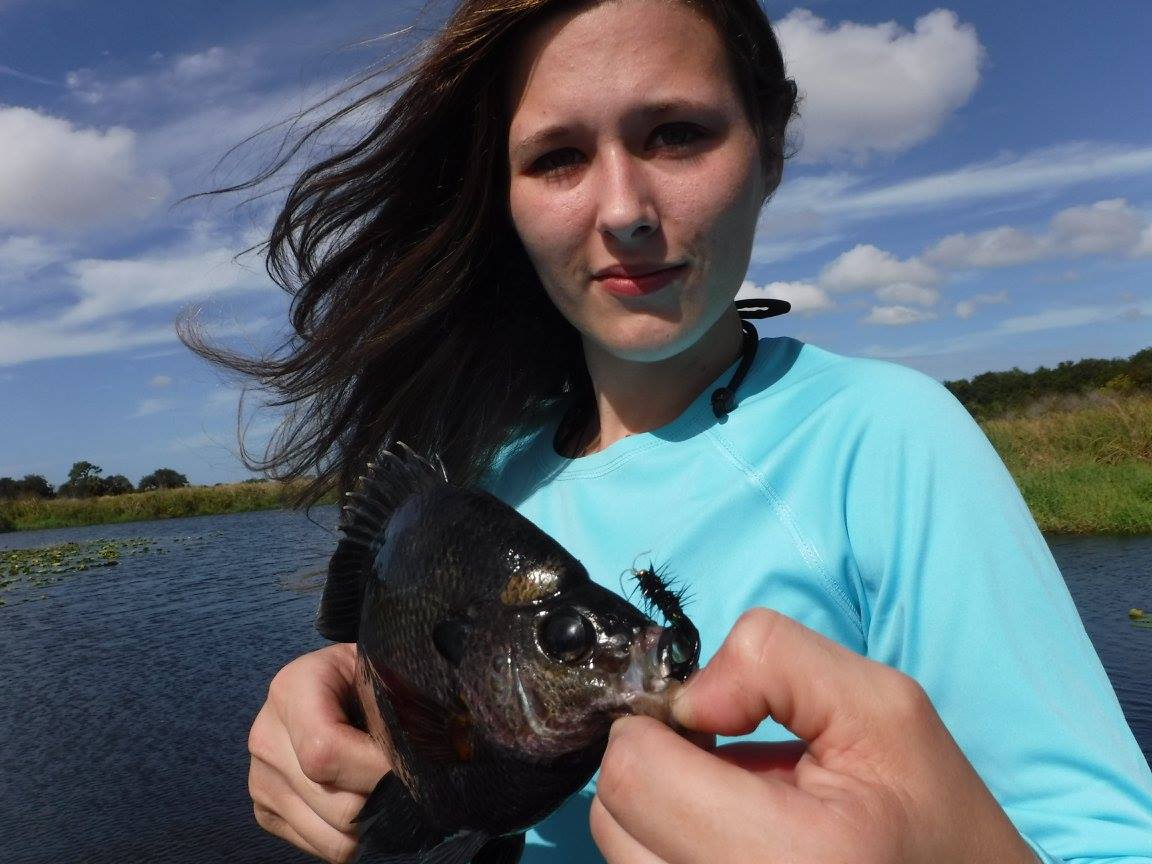
Fly fishing for bluegill and Sunfish in western North Carolina
In this post I will discuss fly fishing for bluegill and sunfish in western North Carolina. I really enjoy fly fishing for a variety of species. I was a saltwater fly fishing guide in Florida for over 30 years before moving to Franklin, NC. It surprises clients when I tell them that bluegill are one of my favorite species to chase with the long rod.
Contact Capt Jim for a guided fishing trip at (941) 371-1390 or CaptJimKlopfer@gmail.com
Fly fishing for bluegill is appealing for several reasons. Bluegill and sunfish are widely distributed across the country, and this includes western North Carolina. All warm waters have decent populations. Fly fishing for panfish is very simple and relaxing. On light tackle, bluegill and sunfish put up a great fight. Finally, they are fantastic to eat!
Fly fishing for bluegill and sunfish in western North Carolina
One of the appealing aspect of fly fishing for bluegill and sunfish is the simplicity of it. No expensive tackle or great casting expertise is required. Stocking schedules are not a factor. Boxes of fancy flies? Nope. An inexpensive rod, 20 foot casts, and a few simple flies will get the job done.
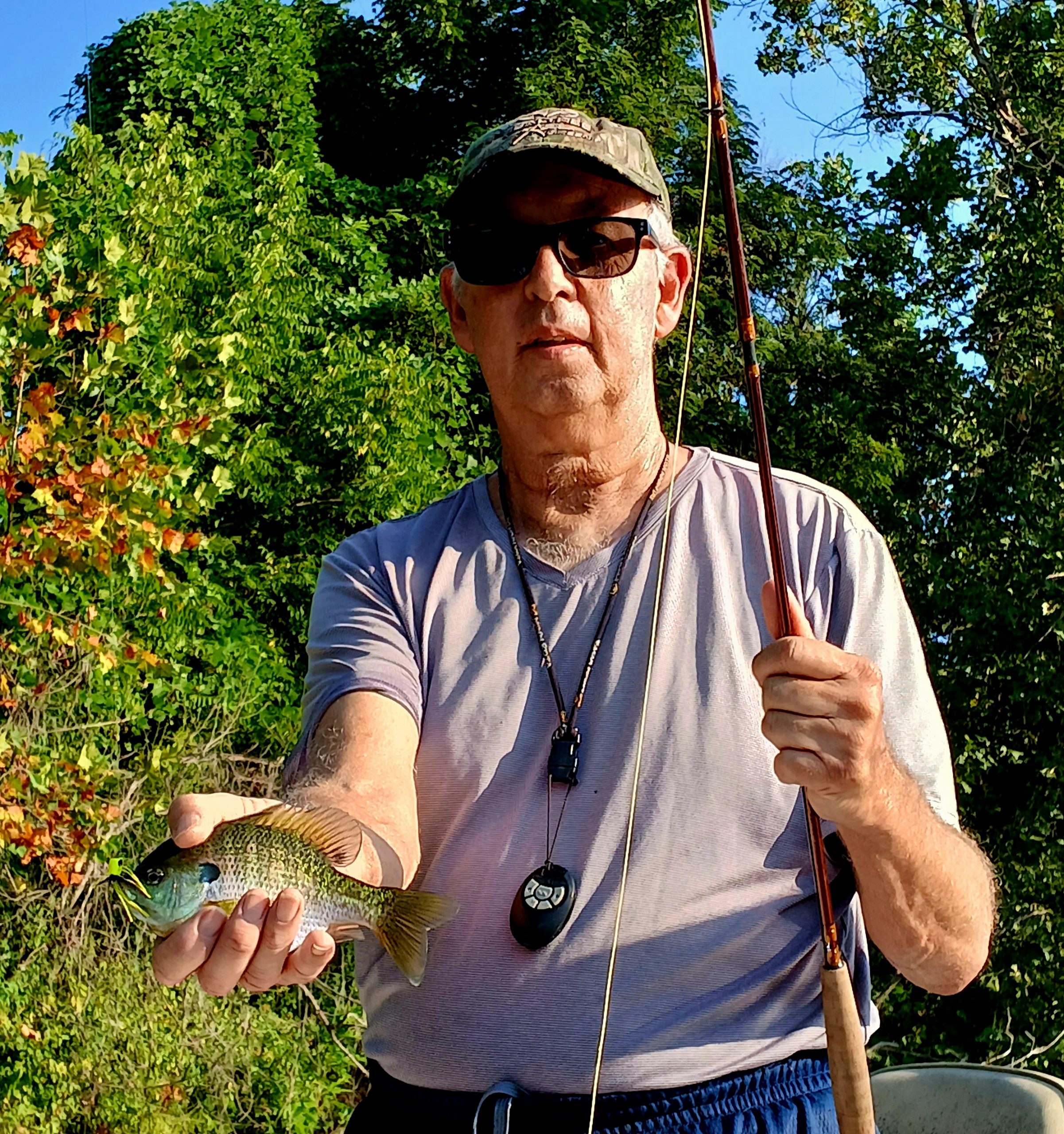
Anglers who fly fish for trout can use that same rig for bluegill and sunfish. A 9′ 3wt or 4wt rod with a floating line is perfect. A 9′ 5x leader finishes off the set up. Anglers who do not already have an outfit like this can pick one up very reasonably.
The best fly fishing for bluegill and sunfish is usually in the warmer months. This works out perfectly as trout fishing typically slows down, at least in the lower elevations and on the larger rivers. Targeting bluegill and sunfish allows anglers to keep in good practice while catching a lot of fish. Success is virtually guaranteed. This is also a great situation for a novice fly angler to learn and gain confidence.
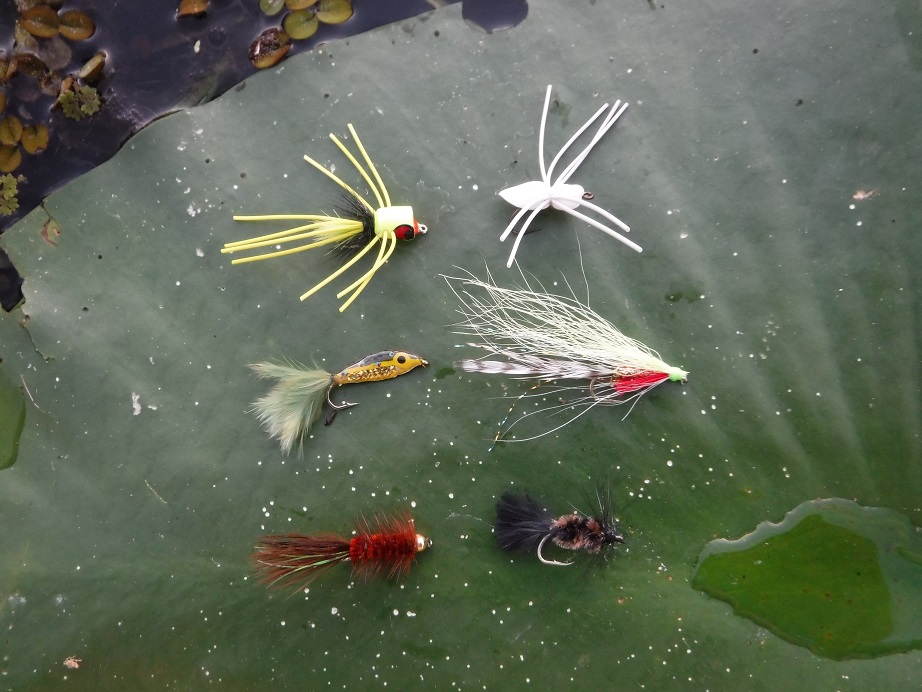
Fly selection is pretty simple as well. Unless it is chilly, I always start off with a popper. Rubber legs are crucial! I like size #10 and #8 in chartreuse and white, mainly because they are easy to see. If the fish wont take on the surface, anything dark and “buggy” looking are fish. A bead head wooly bugger is a great choice. Trout anglers can use their #12 hares ear and pheasant tail nymphs. Tiny bait fish patterns also produce.
Fly fishing techniques for bluegill and sunfish
Catching bluegill and sunfish on fly is pretty simple and the technique is very straight forward. Cast to shore line cover; that’s it! Most western North Carolina lakes have steep banks, Therefore, the water gets deep quickly. The best action will come from working cover that is along the shore. Fallen trees and brush piles are top spots. Any vegetation or weed lines are worth a try. Docks can be very productive. Rocks and rip rap hold fish as well.

If there is one mistake many anglers make when fly fishing for bluegill and sunfish, it is working the fly too quickly. This especially true with poppers. Cast the popper out and let it settle. Many strikes occur without even moving the bug. I then pop it once and again let it sit. This is when those rubber legs come into play; they drive bluegill crazy! After a couple pops, I pick up the line and recast to another spot.
The technique is similar when using subsurface flies. The fly is cast out and allowed to slowly sink. Many times the fly is taken on the fall. If not, I make a short little strip with a pause. I repeat a couple of times then cast out to another spot.
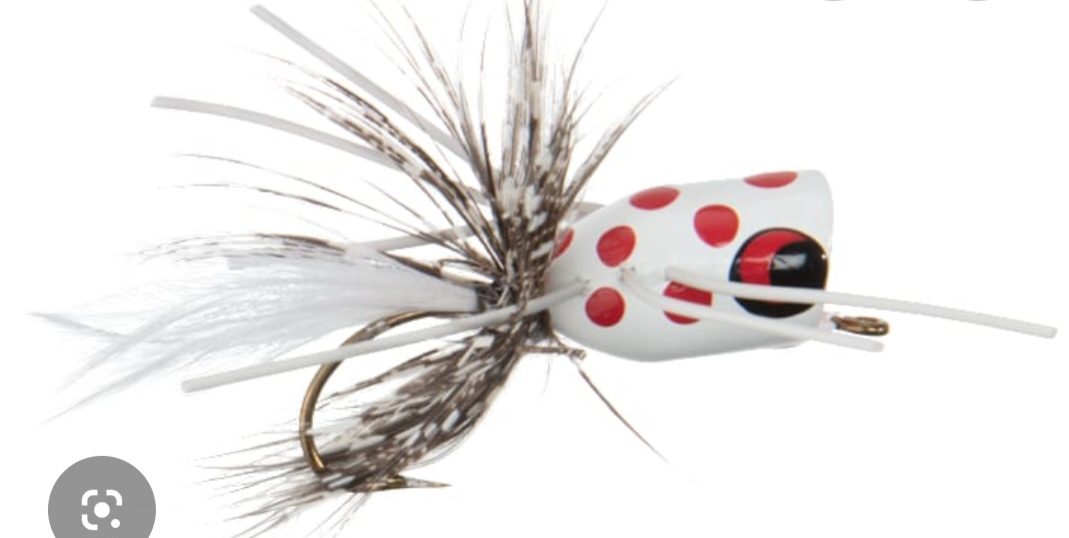
Another presentation is called the “popper dropper”. This is kind of the best of both worlds. An 18″ piece of tippet is tied to the hook. A fly is ties onto the other end. This is the perfect spot for a nymph or wet fly like a black gnat. The popper suspends the bottom fly and acts as a strike indicator. The only issues is that it does tangle a bit.
Top panfish species in western North Carolina
Anglers pursuing bluegill and sunfish with a fly rod have the opportunity to catch a variety of species. Bluegill, redbreast sunfish, redear sunfish, rock bass, crappie, and bass will all be caught using this technique.
Bluegill
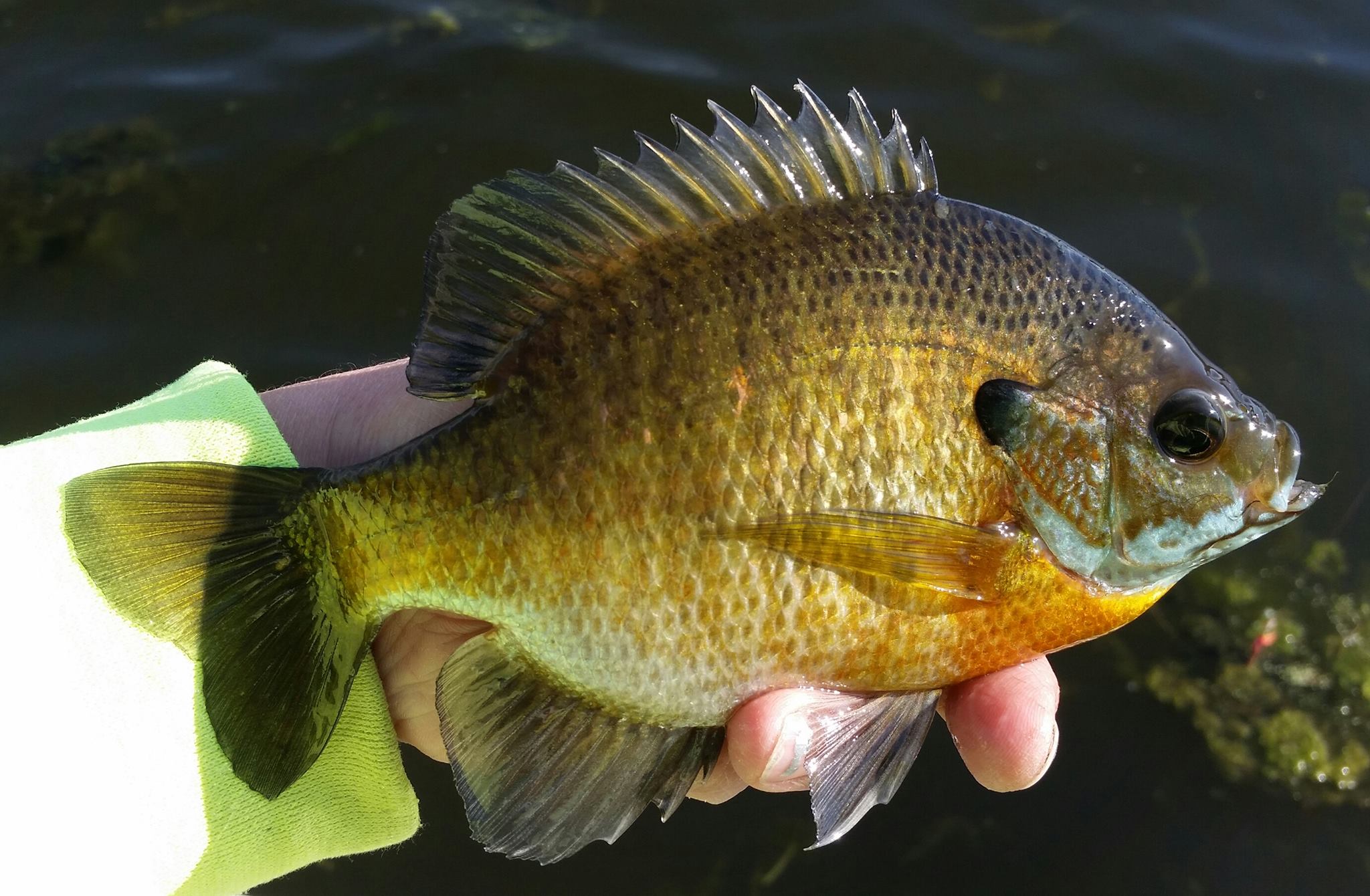
Bluegill are the most abundant panfish species in the region. They are also very aggressive, which makes them perfect for targeting with a fly. Bluegill spawn in big numbers and once located the action is fast and furious.
Redbreast sunfish
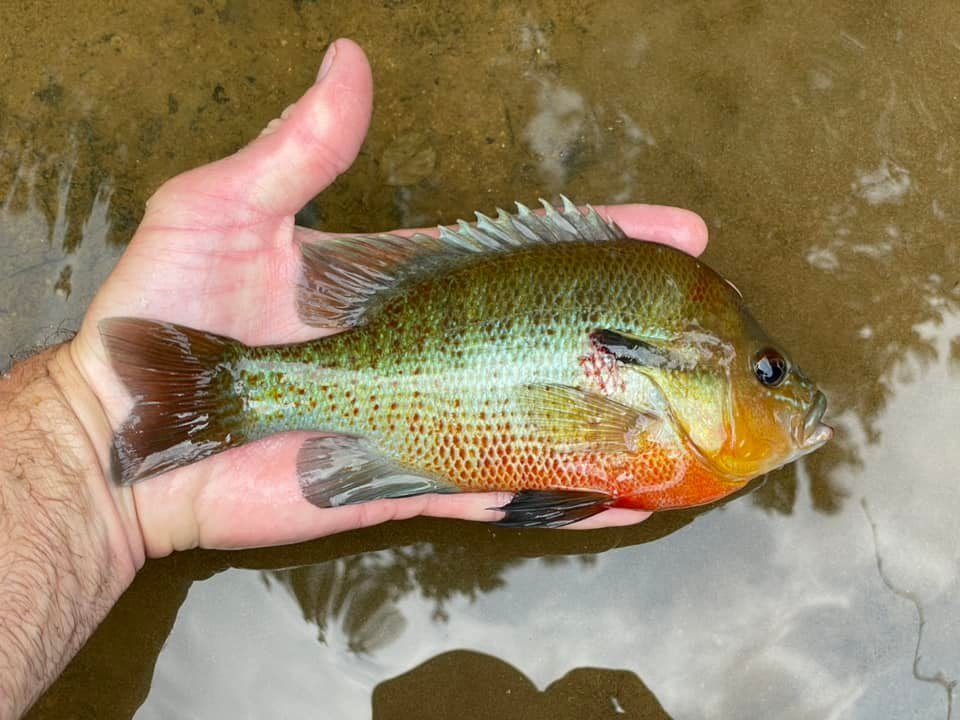
Redbreast sunfish are also very plentiful in this area. They are a gorgeous little fish that fights hard and aggressively takes flies. They are found in the same areas as bluegill.
Redear sunfish
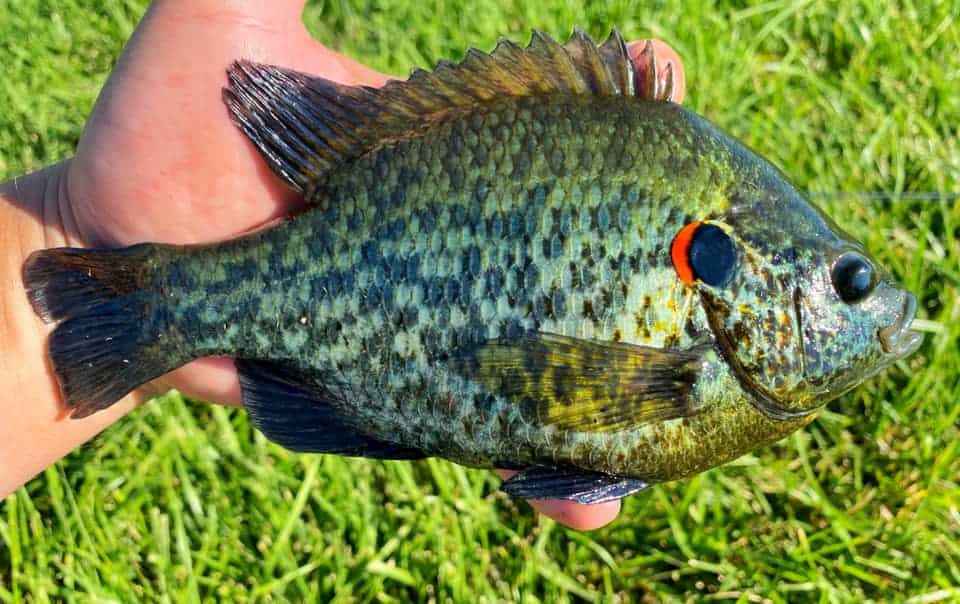
Redear sunfish, also known as “shellcracker”, are not as plentiful, but grow larger and are fantastic to eat. They feed on worms and crustaceans and are more difficult to catch on fly.
Rock bass
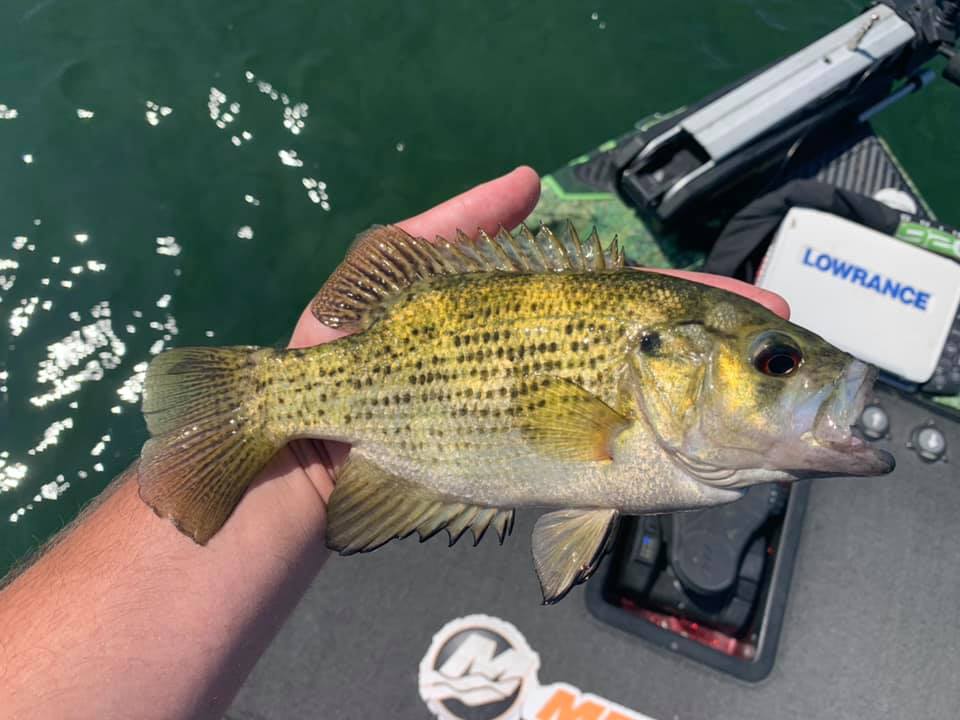
Rock bass are most often encountered in slow moving streams. Most are caught by anglers fishing for smallmouth bass. They are aggressive and enthusiastically take flies, especially poppers.
Crappie

Crappie love minnows! Therfore, they can be caught on fly by anglers using bait fish patterns such as tiny deceivers and Clousers. The best bet is fishing brush in spring.
Bass
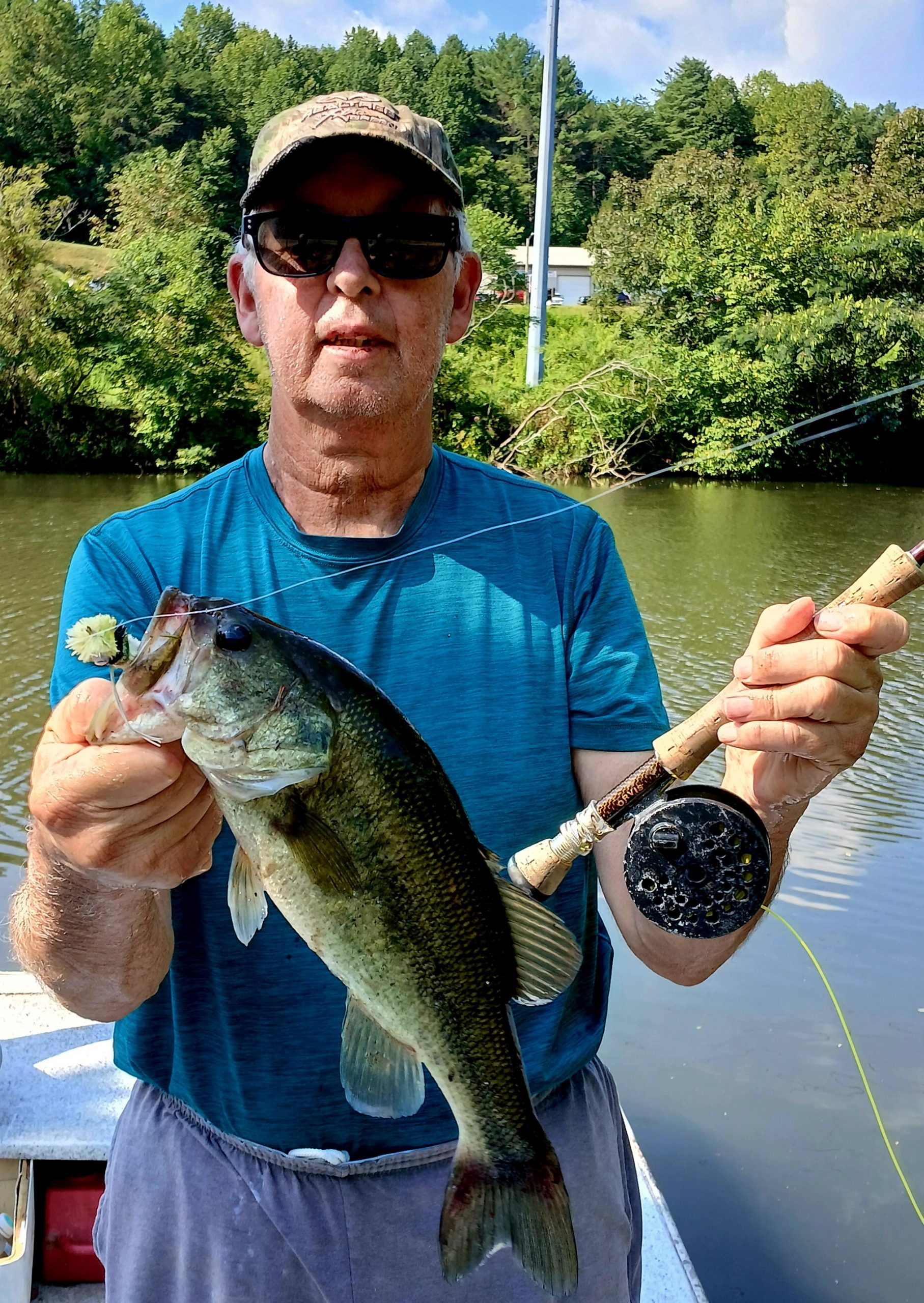
Bass, both largemouth and smallmouth will be caught by anglers fishing for panfish. Even a one pound bass is great fun on such light fly gear.
Best spots in western North Carolina for bluegill fishing.
Anglers have quite a few options when targeting bluegill in the North Carolina mountains. I base out of Franklin and fish Lake Emory and the Little Tennessee River a lot. Many of the fish are small, but anglers who are patient will usually get enough for a meal.
I personally like smaller lakes. They get less pressure and fish are easier to locate. Bear Creek Lake, Cedar Cliff Lake, and Wolf Creek Lake are in a similar area near Tuckasegee. They are close in size and fish the same for the most part. Fallen trees are the top cover, with docks, rip rap, and rocky points also producing.
Fontana Lake is huge! Few anglers target bluegill, so they are plentiful. The slower portions of the Tuckasegee and Little Tennessee Rivers are good spots. Just keep moving until fish are found. Glenville Lake is a short drive from Franklin and offers good fishing. It does see a lot of recreational traffic in summer; weekends are busy. Lake Chatuge on the North Carolina Georgia border is good as well. Lake Julian and Lake Lure near Asheville are good lakes.
Several fairly remote mountain lakes in the very western section of the state offer good bluegill fishing. These include Lake Nantahala, Lake Santeetlah, and Calderwood Lake.
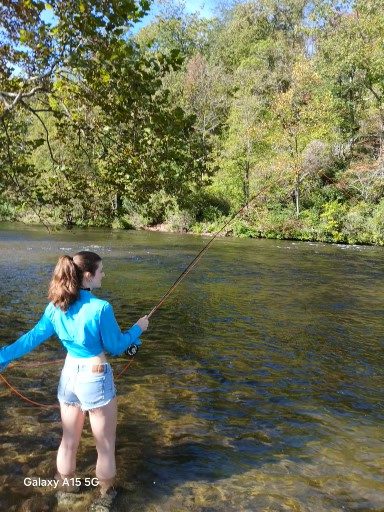
Rivers often get overlooked when bluegill are the quarry. This is a mistake! The slower sections and pools in several rivers can offer excellent bluegill fishing and great scenery. The Little Tennessee River, Tuckasegee River, French Broad River, and Pigeon River are all productive.
In conclusion, this article on Fly fishing for bluegill and sunfish in western North Carolina will help anglers achieve more success when chasing these feisty little game fish!